Pink Fire Pointer wildlife | About of Animals and Pictures
Showing posts with label wildlife. Show all posts

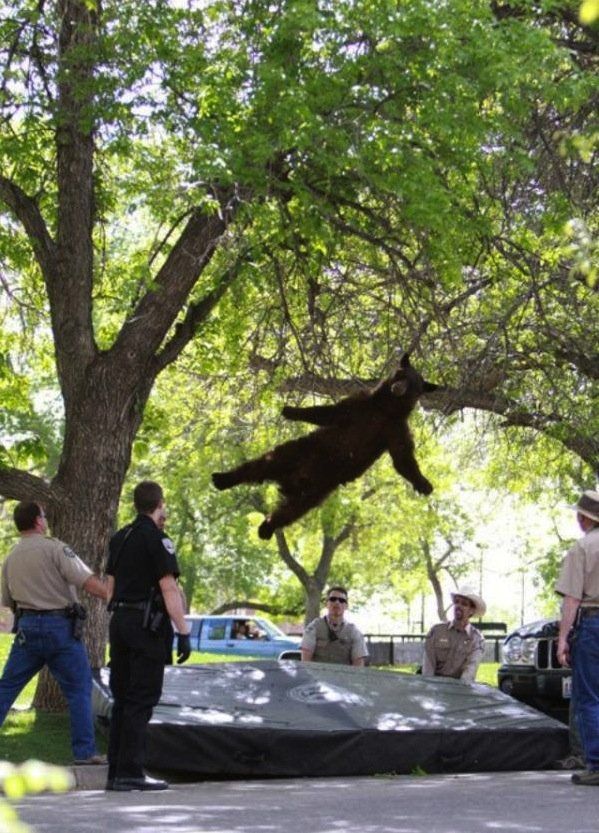
Bear falls safely from tree


A young bear, estimated to weigh between 150 and 200 pounds, had wandered
onto the University of Colorado at Boulder campus and climbed into a
tree.


"The bear was tranquilized by the Colorado Parks and Wildlife
Department and it fell onto some mats that the Rec Center provided," CU
Police Department spokesman Ryan Huff told the paper. "It is now in a
cage and it will be relocated at a higher elevation."


Source

Pink panther? No, it's a pink leopard

A male leopard with a strawberry-colored coat has been spotted in South Africa's Madikwe Game Reserve, conservationists announced this week.


 Tourists in the reserve had occasionally seen the unusual animal. But it wasn't until recently that photographer and safari guide Deon De Villiers sent a photograph to experts at Panthera, a U.S.-based wild cat-conservation group, to ask them about the leopard's odd coloration.


It is suspected that the pale leopard has erythrism, a little-understood genetic condition that's thought to cause either an overproduction of red pigments or an underproduction of dark pigments.


Source

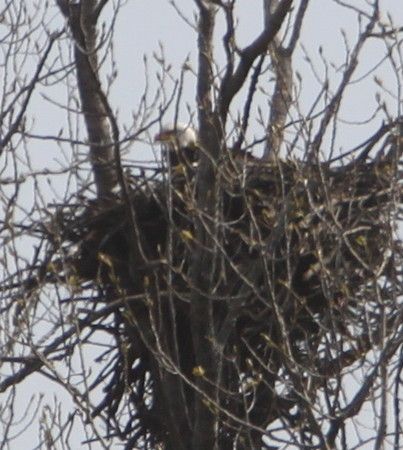
Bald Eagles Nesting in Palos Township

How exciting! Just a few minutes from my house!


A pair of bald eagles has nested in Palos Township next to Tampier Slough, a section of the Cook County Forest Preserves near Palos Park. In the last few weeks, eaglets have hatched, making this the first confirmed nesting site in Cook County in more than a century.


The nest itself is about 6 feet wide, leading officials to believe the pair began to build last year.


The eaglets are not expected to venture outside the nest for several weeks and will rely on their parents' fishing. The eagles will generally cover an area of one to two miles in their hunting expeditions.


It was Bill Allaway, owner of Wild Birds Unlimited, in Palos Park who first alerted forest preserve district staff about the nest.


Source

Can you guess what this is?

The fossa is a cat-like, carnivorous mammal related to the mongoose family, that is endemic to Madagascar. The fossa is the largest mammalian carnivore on the island of Madagascar and has been compared to a small cougar. Adults have a head-body length of 28 to 31 inches and weigh between 12 and 19 pounds.


Credit: worldswildlifewonders | Shutterstock


Source

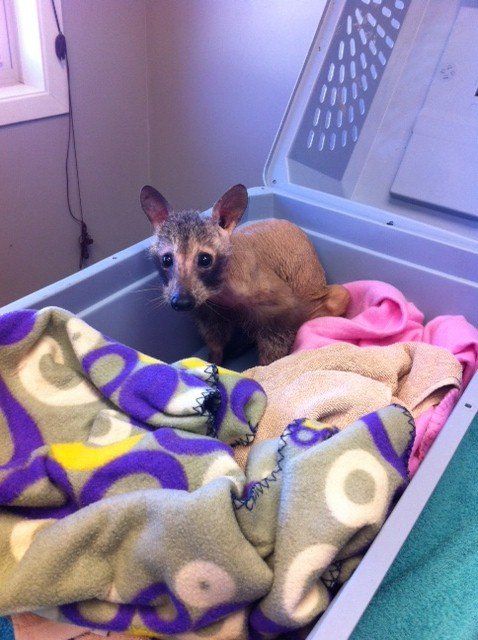
What is it?

Three guesses ... what is this?


An Ontario woman contacted a local animal sanctuary after she found this strange creature in her yard.


The folks at Aspen Valley Wildlife Sanctuary in Rosseau, Ontario, have helped plenty of interesting animals, but this phone call from a woman living nearby led to something even more unusual — a small, mysterious, bald creature.


Read the rest of the story to see if you guessed correctly.

The cutest thing you'll see today

pygmy mouse lemur


Photograph: Mark Thiessen/AP/National Geographic

Ageless Style

Totally by accident, I just discovered the most marvelous blog, Advanced Style, which shows some very stylish ladies of all ages.


This photo, in particular, caught my eye:


This is Lady Francesca Todd with a lion that attacked her Kenya in 1965.


Can you just imagine the adventures this lady has had throughout her very interesting life?

It's snipers vs. deer in Washington DC

The authorities managing Washington, DC's Rock Creek park could decide as early as this week whether to activate a deer management plan that calls for killing 80% of the white-tailed deer, or more than 300 of the animals living in the area, over a two to three-year period.


It's not exactly a comforting scenario: government sharpshooters, equipped with night-vision goggles and silencers, deployed in the dead of night in a favorite Washingtonian park for the express purpose of slaughtering hundreds of white-tailed deer.


Without such extreme steps, environmental experts say the forest would be eaten into oblivion in a matter of years. There are 80 deer per square mile of park; new shoots and delicate plants don't have a chance. The park is also experiencing severe erosion, because of the lack of regrowth.


Source

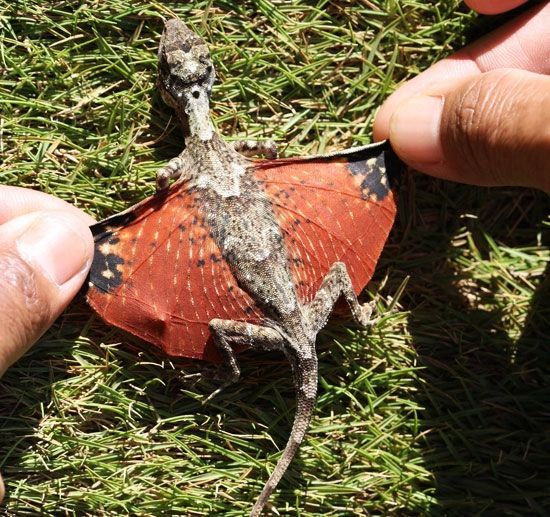
Real dragons!

In Buton, Indonesia, there lives an insanely cool species of gliding lizard which looks like a miniature dragon.


Source

365 New Species Spotted in Peru

Hundreds of species never before seen in a Peruvian national park have been found during an inventory of the Amazonian forests there, according to a conservation group.


The Wildlife Conservation Society (WCS) announced the discovery of 365 species previously undocumented in Bahuaja Sonene National Park in southeastern Peru. More than a dozen researchers inventoried the park's plant life, insects, birds, mammals and reptiles. The species found are known to exist elsewhere, but have never been seen inside Bahuaja Sonene.


The discovery included 30 undocumented bird species, including the black-and-white hawk eagle, Wilson's phalarope and ash-colored cuckoo. The survey also found two undocumented mammals — Niceforo's big-eared bat and the Tricolored Bat — as well as 233 undocumented species of butterflies and moths. This expedition was the first time that research of this scale has been carried out in Bahuaja Sonene National Park since it was created in 1996, according to the WCS.


Source

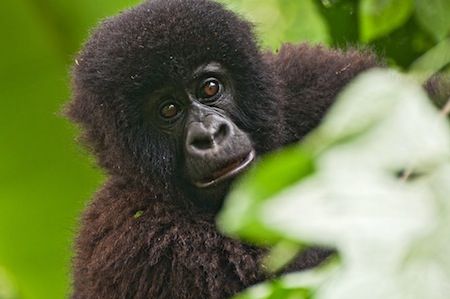
Monkey faces

Each mountain gorilla face is unique. They range from beautiful to expressive, laughable, and noble. Some of the infants have faces like old men, and the toddlers sport wild hairstyles. Here are a few pictures from The Faces of Virunga’s Mountain Gorillas.

Source

6 Extremely Rare National Animals

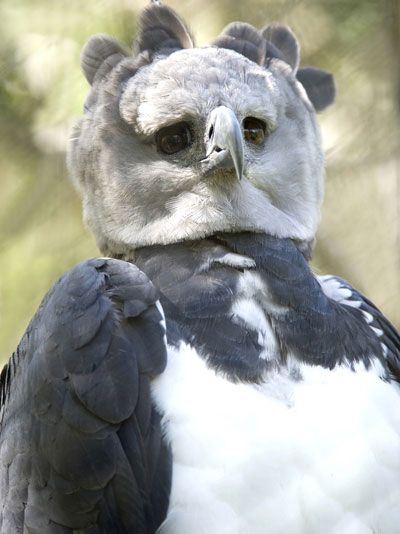
You’d think the distinction of National Animal would bring with it some sort of benefit – protection from extinction, for instance. Not so. Take the Bald Eagle, symbol of these United States, which has been on and off the endangered species list for over 40 years. Sadly, this sort of thing is far from unusual. Mental Floss lists six of the coolest, strangest, and most endangered animals repping countries today.


Harpy eagle image via Shutterstock


Source

Photography: The Biodiversity Project

National Geographic photographer Joel Sartore is on a mission to capture our incredible biodiversity before it disappears. Using zoo animals to create stunning portraits of amazing creatures. The project began with amphibians (and the gallery includes some real gems), but now includes all sorts of creatures, totaling over 1,800 already. Find out more about the ambitious and stunningly beautiful The Biodiversity Project.

via

Can hunting endangered animals save the species?

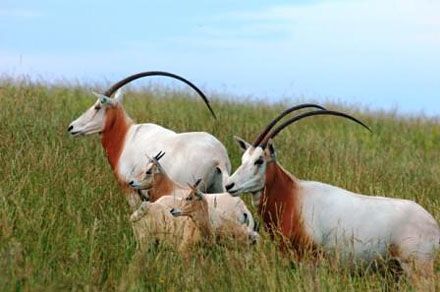
I watched an interesting and thought-provoking segment on CBS 60 Minutes on January 29, 2012 - Can hunting endangered animals save the species? on Big Game Hunting preserves that are not in a foreign country but here in the US. One Texas ranch has rare antelope, Scimitar-horned Oryx, that are extinct in the wild but they are thriving here.


Texas now has more exotic wildlife than any other place on earth. There are over 5,000 exotic ranches in the US. Years ago, ranchers got animals from zoos that no longer wanted them and they have helped many endangered animals thrive, even though they are dwindling in the wild.


The US government allows hunting these animals because it is regulated heavily and the animals are not allowed to be over hunted. One rancher says that hunting these animals are the best way to make sure they thrive in the future. The high cost of the hunting license for each animal is what is supporting the cost of operating the ranches. The money that hunting brings in pays for the preservation of the species.


Animal activists say that if the animals exist only to be hunted then they should just be extinct. Activists have gotten the US government to make it harder, almost impossible, to obtain hunting permits. Ranchers say that in 10 years there will be no more of these animals in Texas, or anywhere in the wild.


What do you think - is is right to be able to hunt endangered animals in order to save them from extinction?


Photo: Scimitar-horned Oryx